
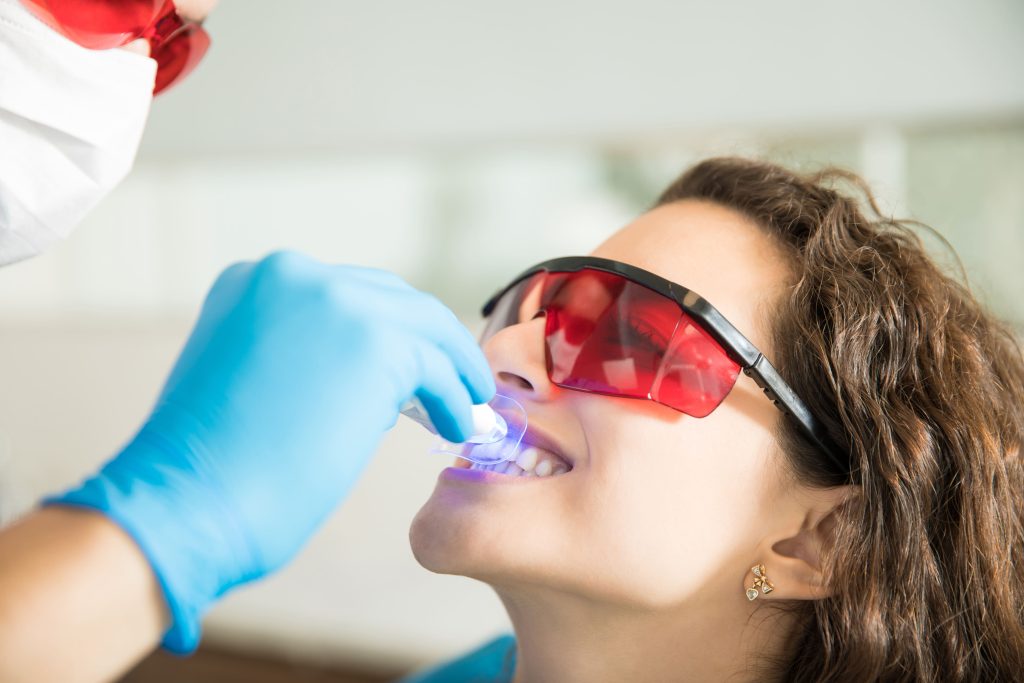
Teeth whitening before summer holidays is one of the most requested cosmetic dental treatments each year, and demand follows a clear seasonal pattern.
As the warmer months approach, more people look to brighten their smiles in time for trips, weddings, and social events. Enquiries at dental practices tend to rise sharply from late spring onwards.
The reason is simple. People want to feel confident in their holiday photos, relaxed by the pool, and comfortable across a summer full of gatherings. A brighter smile moves up the priority list as soon as the social calendar fills up.
This article explains what drives that spike. It also covers why timing matters more than most people expect, and how to whiten a smile safely before the suitcases come out.
The Seasonal Pattern Behind The Whitening Rush
Teeth whitening interest in the UK does not drift at random. It tends to rise twice a year. The first wave comes in early January, as New Year resolutions kick in. The second arrives as spring tips into summer.
That second wave lines up with the holiday season and the wedding calendar. Wedding season runs from late spring right through the warmer months. When sunshine, foreign trips, and social events all land at once, a brighter smile climbs to the top of plenty of to-do lists. Add in the brides, grooms, and guests planning, and the demand makes sense.
Why Summer Puts Smiles In The Spotlight
Holidays come with cameras. Beach snaps, dinner dates, and group photos all invite people to smile more than usual. That makes them notice the colour of their teeth. A confident grin is one of the quickest ways to feel ready for a big day. This is why whitening surges before the events rather than after them.
There is a quieter twist worth knowing. Summer habits can dull your teeth just as you try to brighten them. Iced coffee, chilled rosé, barbecue sauces, and curries all carry pigments that cling to enamel. So the season that drives people towards whitening often works against their results.
How Professional Whitening Works
At its heart, whitening is chemistry. A peroxide gel breaks down the stains within the enamel and dentine. It lifts the colour rather than just scrubbing the surface. Most practices offer a few routes:
- In-chair whitening: A stronger gel is applied in the surgery, often activated by light. The appointment takes about an hour. It suits patients who want a visible change in one visit.
- Take-home kits: Your dentist fits custom trays and supplies professional-grade gel. You wear it daily across two to four weeks, so the shade builds gradually and you keep more control.
- Combination treatment: A session in the chair kicks things off. Custom trays then maintain and extend the result at home.
Whichever route you take, the gel only works on natural enamel. Crowns, veneers, bonding, and fillings will not change colour. That is one of several reasons an assessment comes first.
Why Timing Is Everything Before You Fly
Here is where the seasonal rush trips people up. Take-home treatment runs across several weeks. The final shade also needs time to settle once you finish. Leaving it until the week before you fly rarely delivers what you hoped for.
Book a consultation four to six weeks ahead. This gives room for the assessment, the treatment, and the shade to settle. Your smile then looks its best in the photos rather than halfway there. The assessment matters for clinical reasons too. A dentist checks for decay, cracks, gum disease, or thinned enamel first. This rules out anything that whitening could make worse.
What The Law Says About Whitening in the UK
In the UK, whitening is not a beauty add-on. It counts as the practice of dentistry under the Dentists Act 1984. Only professionals registered with the General Dental Council can legally provide it. That means a dentist, or a hygienist, therapist, or clinical dental technician working to a dentist’s prescription.
The rules also cover strength. Products sold to the public may release no more than 0.1% hydrogen peroxide. A registered dentist may use up to 6%. Anything stronger is banned for cosmetic use. This is why shop-bought kits give such modest results compared with treatment at a practice.
The Risk Behind A Bargain Treatment
The biggest danger is the unregulated market that sits outside this law. Some providers sell or use gels with peroxide levels far above the legal limit. Others hand out certificates after little real training. The harm can be serious. People have suffered chemical burns, lasting sensitivity, and in some cases, tooth loss after treatment from someone who was not qualified.
Before you book anywhere, a few quick checks protect you:
- Confirm GDC registration: Search the provider’s name on the General Dental Council register. If they are not listed, they cannot legally whiten your teeth.
- Be wary of rock-bottom prices: Genuine treatment reflects clinical training, custom trays, and safety steps. A deal that looks too cheap usually is.
- Avoid salon and mobile whitening: Beauty therapists are not allowed to carry out the treatment, whatever a course certificate might claim.
Helping Your Results Last All Summer
Whitening is not permanent. With sensible care, results usually hold for one to three years. Your lifestyle does most of the work here. Drink plenty of water, ease back on coffee, tea, red wine, and smoking, and use a gentle whitening toothpaste between treatments. Each of these helps keep that brightness going. The odd top-up refreshes the shade without starting over.
A Brighter Smile Is Worth Planning For
The annual rush makes sense once you see the pattern behind it. Even so, the people who feel happiest with their teeth whitening before summer holidays are almost always the ones who booked early. Give yourself those few weeks.
Choose a GDC-registered professional, and treat the assessment as the most important step rather than a formality. Do that, and your smile will be ready long before you reach the departure gate.